
Debunking Common Myths About AI in Business


Understanding AI Misconceptions
Artificial Intelligence (AI) is reshaping industries and transforming business operations, yet several myths surround its capabilities and implications. These misconceptions can hinder businesses from fully leveraging AI's potential. In this post, we'll debunk some common myths about AI in business.

Myth 1: AI Will Replace All Human Jobs
One prevalent myth is that AI will lead to mass unemployment by replacing human jobs. While AI can automate certain tasks, it is more likely to augment human work rather than replace it entirely. AI excels at handling repetitive tasks, allowing humans to focus on more strategic and creative endeavors.
According to a report by the World Economic Forum, AI is expected to create more jobs than it displaces by 2025. The key is for businesses to invest in reskilling and upskilling their workforce to work alongside AI technologies.
Myth 2: AI Can Function Without Human Input
Another misconception is that AI systems can operate completely autonomously without human oversight. In reality, AI requires continuous human input for successful implementation. Data scientists and AI specialists are needed to train algorithms, interpret results, and make adjustments as necessary.
This collaboration between AI and humans ensures that the technology is used ethically and effectively, aligning with business goals and regulations.
Myth 3: AI Is Only for Large Corporations
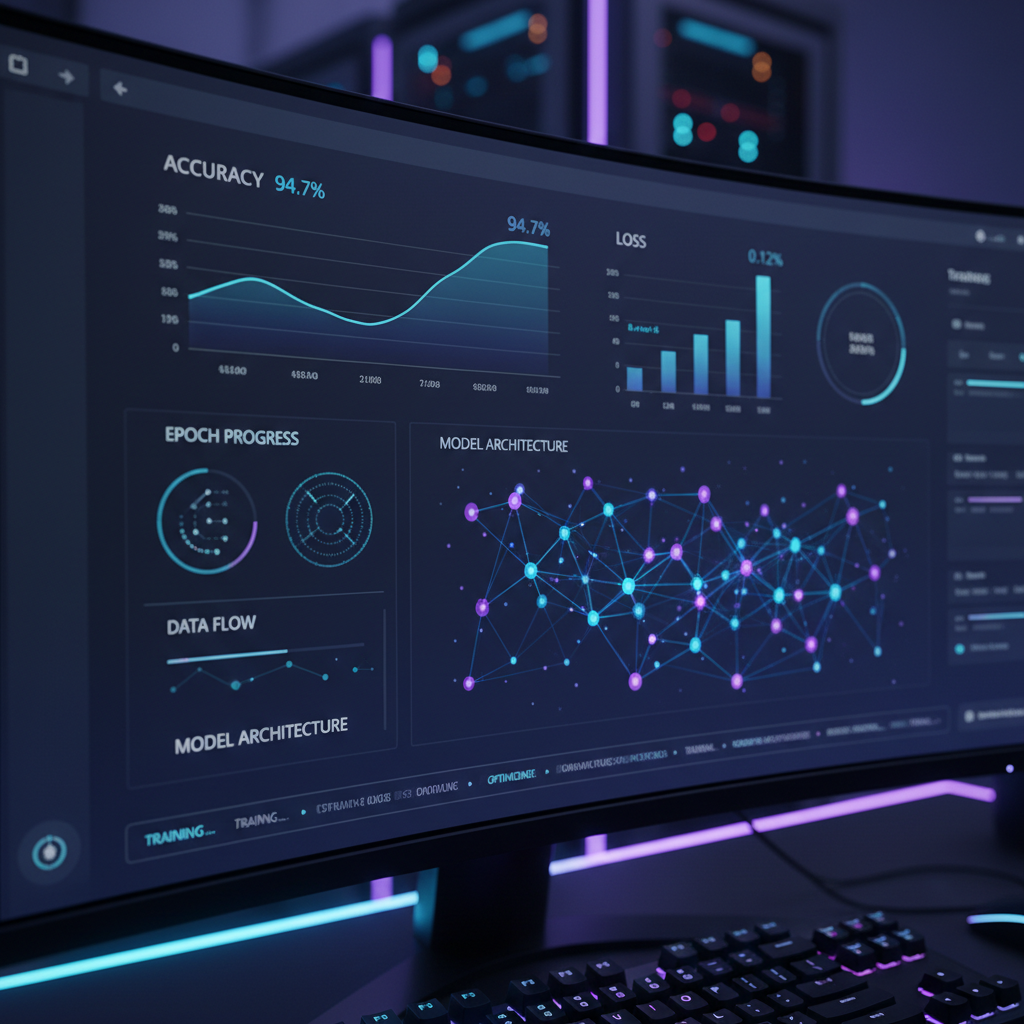
Many small and medium-sized enterprises (SMEs) believe that AI is a tool only large corporations can afford. However, AI solutions have become more accessible and scalable, making them viable for businesses of all sizes. Cloud-based AI services and open-source platforms allow SMEs to integrate AI into their operations cost-effectively.
By adopting AI, SMEs can enhance customer experiences, streamline operations, and gain a competitive edge in the market.
Myth 4: AI Lacks Creativity
A common belief is that AI is not capable of creativity. While AI may not replicate human creativity in its entirety, it can assist in creative processes. AI can analyze vast amounts of data to identify patterns and generate innovative ideas, supporting fields like music composition, art, and content creation.
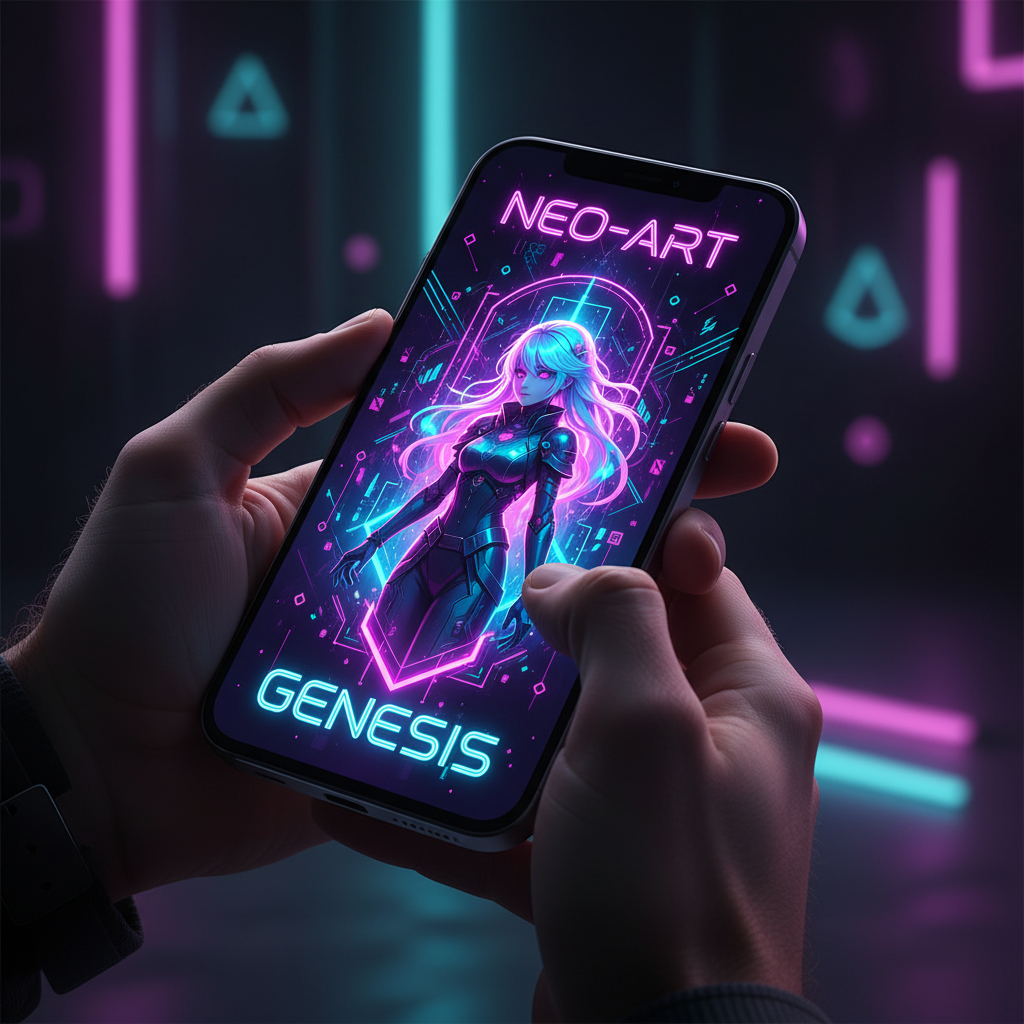
For example, AI-driven tools can help marketers craft personalized campaigns by analyzing customer behavior and preferences, showcasing AI’s potential in creative industries.
Myth 5: AI Is Infallible
It is important to recognize that AI systems are not infallible. They can make mistakes, especially if they are trained on biased or incomplete data. Ensuring data quality and implementing robust validation processes are crucial to minimizing errors and biases in AI outcomes.
Businesses must maintain transparency and accountability in their AI systems to build trust and reliability.
Conclusion
Debunking these myths is crucial for businesses to effectively integrate AI into their operations. By understanding AI’s true capabilities and limitations, companies can harness its power to drive innovation and growth. Embracing AI with a clear and informed strategy will unlock new opportunities and enhance business success.